How can systems build teacher agency?
Building teacher agency requires more than giving teachers autonomy. It requires creating the conditions where professional judgement is trusted, expertise is developed, and innovation is valued.
The challenge is that many education systems still operate from an industrial model of leadership and accountability. Teachers are often expected to deliver prescribed curricula, prepare students for standardised assessments, and comply with increasingly detailed requirements.
Yet we simultaneously ask them to develop creativity, critical thinking, agency, and innovation in students.
That is a contradiction.
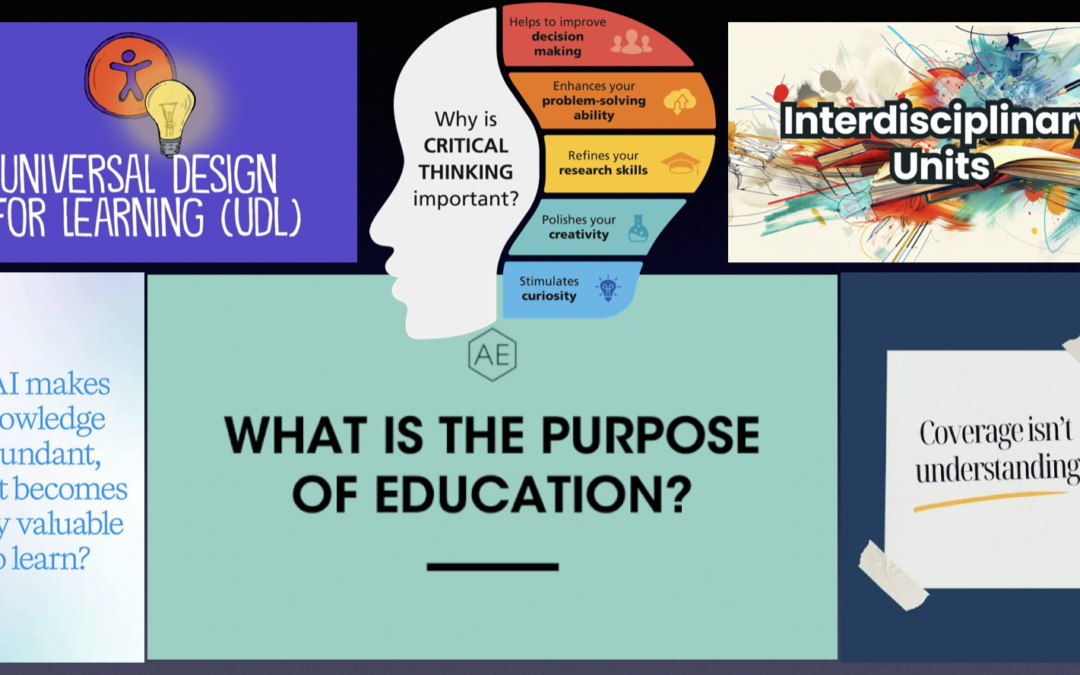
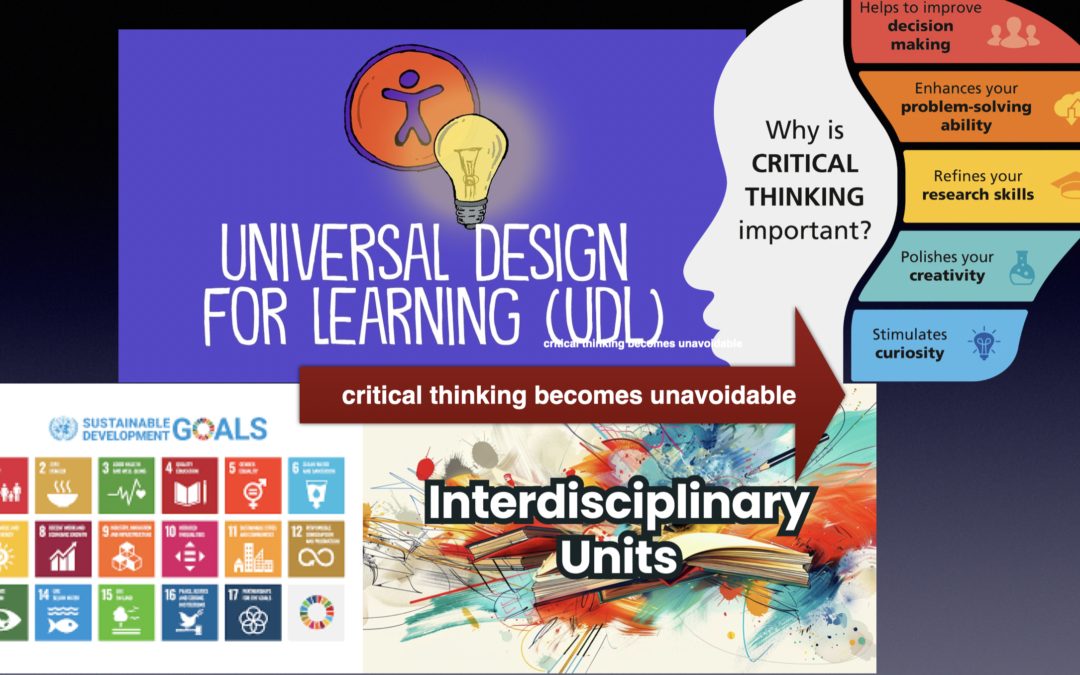
Imagine a curriculum organised around significant challenges rather than isolated subjects. Students investigating water scarcity, sustainable cities, artificial intelligence, public health, or climate resilience through interdisciplinary inquiry. Assessment focused on the application of knowledge, quality of reasoning, creativity, collaboration, & real-world problem solving.
In my last post, I suggested that perhaps we’re asking the wrong question.
Instead of asking, “How do we teach critical thinking?”, we should be asking:
“How do we design learning experiences in which critical thinking becomes unavoidable?”
Here’s an example.
Year 8 Interdisciplinary Unit
The Future of Water: Who Gets What and Why?
(Linked to UN Sustainable Development Goal 6: Clean Water and Sanitation)
Rather than teaching critical thinking as a separate lesson, students investigate a real-world problem:
Should a growing community facing water shortages prioritise households, agriculture, industry, or environmental sustainability?
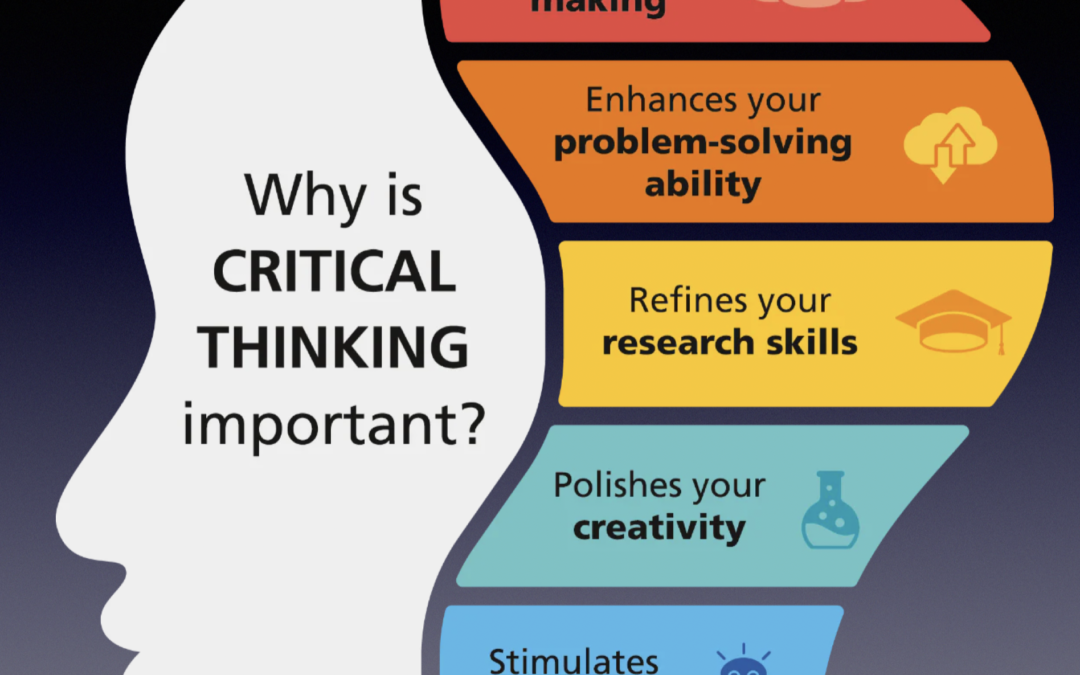
Critical thinking is not best taught as a standalone skill, disconnected from context and content. Rather, it emerges when students are challenged to grapple with complex questions, evaluate evidence, make connections, justify decisions, and apply knowledge in meaningful situations.
For many of us in education, challenging the “factory model” of schooling has become both a professional commitment and a moral imperative. The traditional structures—rigid timetables, siloed subjects, standardised pacing, and content-heavy curricula—were never designed to meet the needs of today’s learners.