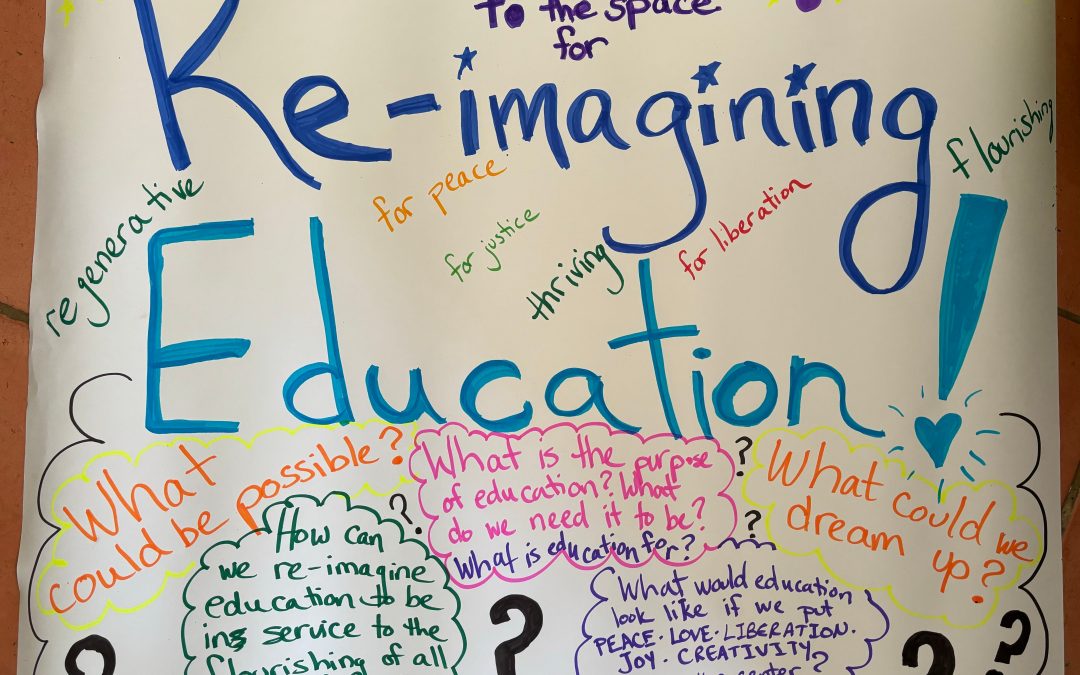
Timetable is the Beast
In education, we talk a lot about equity, personalization, and meeting students where they are. But we often ignore one fundamental truth: Learning takes time, and the time needed is different for every student.
In education, we talk a lot about equity, personalization, and meeting students where they are. But we often ignore one fundamental truth: Learning takes time, and the time needed is different for every student.
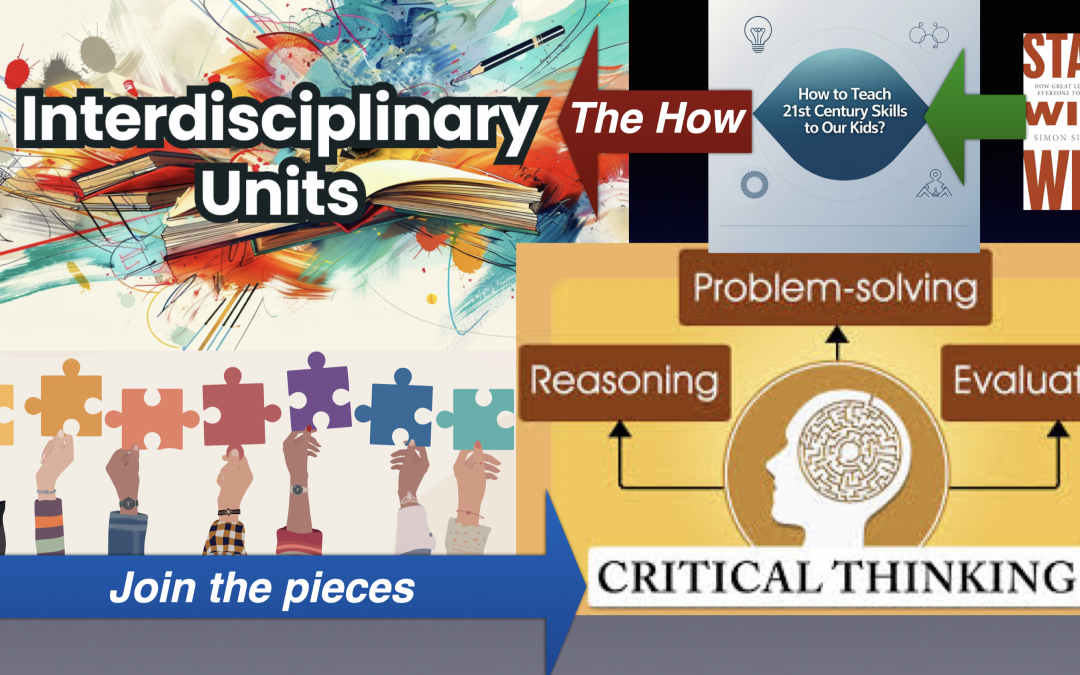
Students don’t “do critical thinking” James Dobson says, rather they think critically about something, be it history, science, literature, mathematics or social issues.
And the quality of that thinking depends heavily on the depth of their background knowledge in that domain, he adds.
When teachers try to teach critical thinking as a standalone skill that can be transferred across learning domains, they run into real trouble in the classroom, Dobson says.
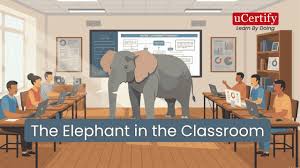
Students have increasingly shown up to class in body but not in mind, going through the motions without any real investment in what’s happening in front of them.
“Students can compare AI-generated responses with their own, critique the logic, and identify bias or error,” he said. “This builds metacognition and discernment, two foundational skills that define lifelong learners.”
The issue isn’t that students are carrying small rectangular objects in their pockets. The problem is that these objects contain applications literally designed to create addiction.