Teaching the UN Sustainable Goals

Teaching the UN Sustainable Goals

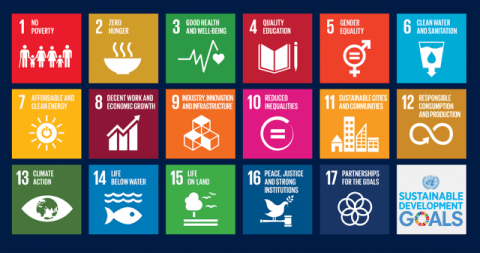
Here is attached a publication which has a twofold aim – to help students learn a language creatively whilst at the same time raising awareness of the United Nations Sustainable Development Goals through bringing together a range of innovative ideas for teaching creatively and addressing these key issues. The activities include enabling students to think creatively about sustainable food and food supplies, creating energy which does not harm the environment, and collaborating with other students globally to diminish the digital divide.
Why? How? What? Who? Where? When?

Why? How? What? Who? Where? When?

Achieving our goals has become even more challenging. We live in a VUCA world – volatile, uncertain, complex and ambiguous. We need a learning system that ensures an “education worth having” – one that is fit for purpose enabling learning for all; one that is increasingly productive; one that allows all to “learn a living”.
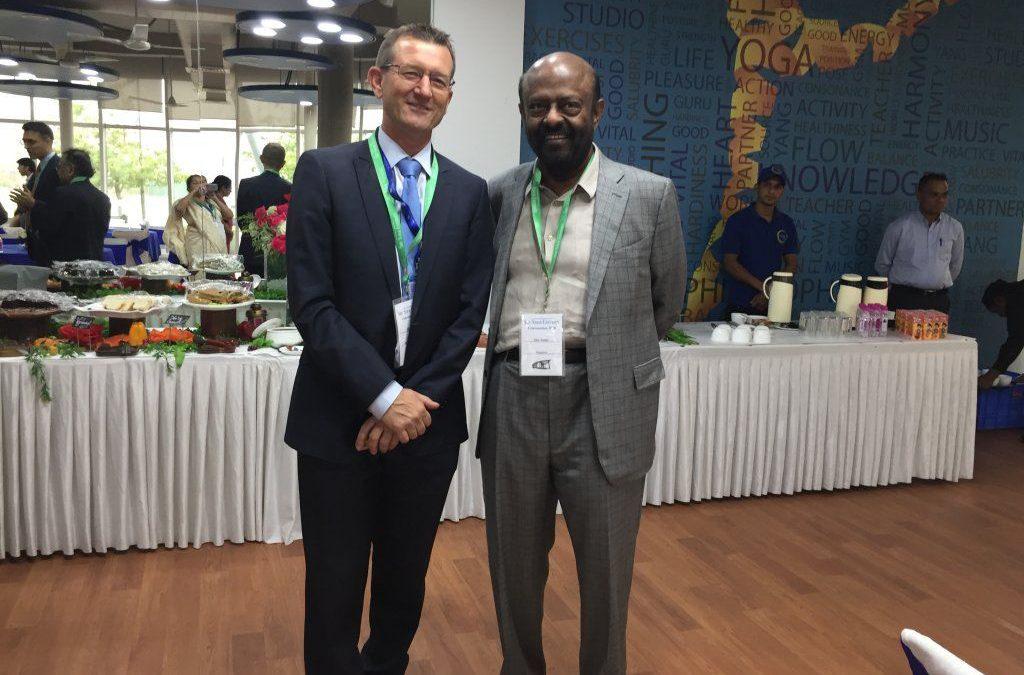
A driver of social change and transformational education – The Shiv Nadar Foundation

A driver of social change and transformational education – The Shiv Nadar Foundation

Education is an act of hope in the face of an always-uncertain future. I am excited to have connected in their dream of building a reputation for high-quality, challenging programmes of education that develop internationally minded young people who are well prepared for the challenges of life in the 21st century and are able to contribute to creating a better, more peaceful world. This is the Shiv Nadar School way, an “Education for Life.”
Building Excellence in 21st Century Schools

Building Excellence in 21st Century Schools

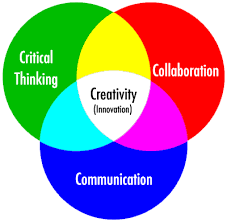
In a report by the Economist Intelligence Unit (EIU), it discusses the results of a study that explores how to best prepare primary and secondary school (referred to in this report as “K-12”) students for the 21st century workplace (“the modern workplace”), where a mix of hard and soft skills are crucial for success. The research, sponsored by Google for Education, draws on a survey of 1,200 educators in 16 countries.1 It looks at the strategies most effective in developing 21st century skills and how technology can support such efforts. By focusing on successful implementation of key strategies from the perspective of K-12 educators, this research builds upon a 2015 EIU study, Driving the skills agenda: Preparing students for the future.