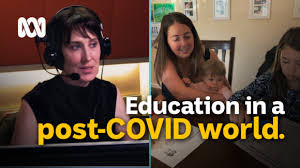
Reimagining education post COVID-19
Since the COVID-19 pandemic turned education on its head, school leaders and policymakers have been eager to understand how to use the learnings gained from this disruption to their advantage.
Since the COVID-19 pandemic turned education on its head, school leaders and policymakers have been eager to understand how to use the learnings gained from this disruption to their advantage.
It’s about skills and competencies that enable students to thrive including agility and adaptability – knowing how to learn, unlearn and relearn!
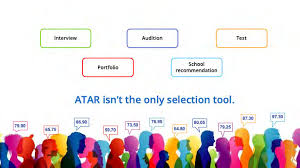
A federally commissioned report wants high school students to focus on building a “learner profile” that reflects the skills and knowledge they have gathered over 13 years of education instead of worrying about how to boost their ATAR.
We should allow students to progress through the curriculum as they master new concepts and skills, rather than in a linear, age-based way.
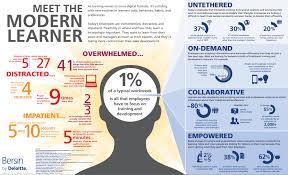
Modern learners are still ‘overwhelmed, distracted and impatient’ (Bersin by Deloitte). But, they are also hungry to learn and keen to grow their skills to the point that if an organisation isn’t enabling them to develop professionally, they’ll up and leave. That’s right, according to Fosway, learning and development opportunities are the #1 attraction to working somewhere, and can make or break employee retention and performance. But the learning and development opportunities have to be good.
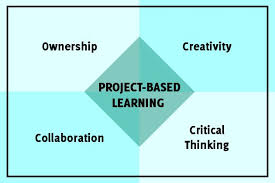
PBL can be described as a multidisciplinary pedagogical approach to teaching and learning, and what it looks like in practice can vary from school to school, and the quality of a school’s PBL program can differ depending on how deep an educator might decide to dive into the theory, and their own imagination.